
Green Hosting: Sustainable Data Centers
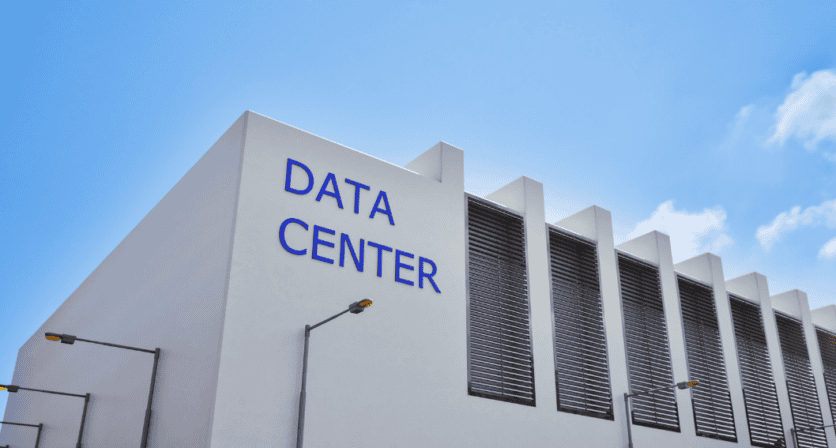
Improving energy efficiency in data centers and bolstering cooling systems to produce less waste are what green hosting is all about. Performance is not compromised. It is relevant in today’s world of ever-growing digital technologies and a vital consideration for the sustainability of your business that your hosting provider is green.
The Hidden Costs of Maintaining an On-Premise Server
Many small businesses fail to realize that putting a server in the office is not a one-time expense. Initially, the costs appear reasonable, which is why no attention is drawn to them. Over time, the costs increase.
The server itself is not the only cost. There are the costs of operating the server itself, cooling the server, and maintaining it. Even worse is the cost of disgruntled employees when the server goes down, the IT support costs, the costs of additional parts, the costs of backup systems, and all the costs associated with upgrading the server.
Understanding Green Data Centers and Their Benefits
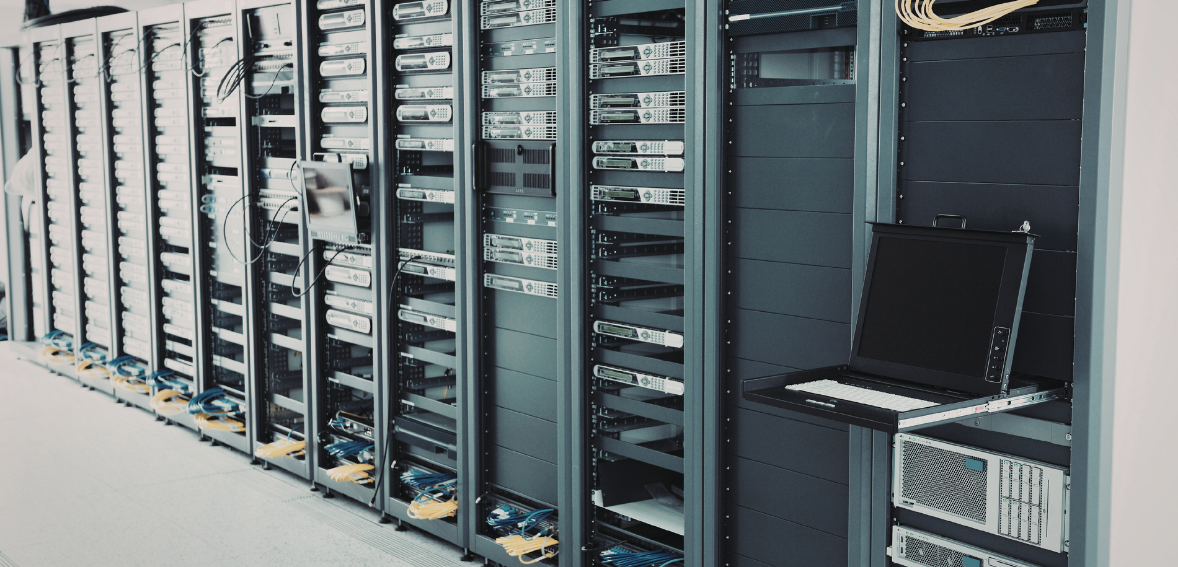
As companies acquire more cloud services and remote work options, green data centers are seeing consistent demand. These data centers are designed to be highly functional while using less energy and water. They are built with smarter cooling systems, less hardware, and controlled down to the individual units. Modern green data centers are built to prevent energy leaks, just as modern office buildings are.
The data center market is expected to grow rapidly. From 2025 to 2035, it is expected to grow from 79.8 billion dollars to 296 billion dollars. North America is anticipated to continue to lead this growth. Green data centers maximize efficiency by deploying resources sp to do the work equally.
In traditional data centers, cooling systems continuously circulate air throughout the data center. Green data centers, cooling systems operate only when and where cooling is needed. Effective energy use is achieved through LED zoning, good air management, the separation of cold and warm zones, and real-time AI intervention. Although some of these systems do not function as desired, it is clear there is a desire to work towards more effective energy use.
Electricity sourcing gets careful attention, too, and clean power can come from on-site solar panels or from renewable energy credits and agreements. Still, matching those claims to actual daily operations isn’t always straightforward.
In addition to the design, the custom hardware has an important influence. Newer servers and modern power systems can significantly reduce electricity waste. In practice, this is very similar to upgrading appliances in a house, as design decisions can reduce energy use before any meter even turns on.
Sustainability is not about making big promises. It is about reducing waste at every stage. This includes responsible e-waste recycling, longer hardware lifespans, and avoiding building new space unless absolutely necessary. The best green centers are those that, by design, operate at maximum efficiency on day one and do not rely on marketing claims to greenwash the data center.
Key Sustainability Metrics in Green Data Centers

Energy and water usage measurements describe a data center’s efficiency, and among these, PUE and WUE are the most important. These metrics are fairly intuitive and provide a lot of information, even to people without engineering backgrounds. Power Usage Effectiveness (PUE) is a measure of a data center’s total power consumption, excluding the power used to operate servers. This is analogous to a restaurant, where most energy is spent on cooking, not on lighting or cooling.
In a data center, the servers are the ones doing the work, and everything else, like lighting, cooling, and power distribution, is considered overhead. When overhead power expenses are low, the PUE is low, which is a good thing (i.e., less power wasted). Experts consider a PUE of less than 1.3 to be a good goal, and a 0.1 improvement over a 1.3 PUE translates to a reduction of about 10 grams of CO2 emissions per kWh consumed. Some data centers that have adopted more intelligent cooling systems and artificial intelligence are now achieving PUEs below 1.2. Little upgrades are having a much greater impact than people have previously thought. At least in theory, the impact of small changes will add up quickly over the years.
Benefits of Choosing Green Cloud Hosting
Green cloud hosting offers operational benefits for small businesses, as its benefits extend beyond energy efficiency and are reflected in costs, interruptions, daily operations, and operational risk over extended periods of time. Green data centers waste less energy and, in fact, some models use less than 60% of the power. This results in enormous savings, as the power costs of hosting centers are one of the largest expenses. Companies also enjoy the benefits of predictable pricing and peace of mind, free from surprise rates.
Reliability is another benefit. Energy-efficient data centers are modern and advanced, employing superior cooling and monitoring systems that result in stable power and the absence of malfunctioning equipment. This is a major improvement over traditional data centers. Hosting companies and individuals who require routine and uninterrupted access to systems, applications, and files can enjoy better service.
New imperative demands for transparency and compliance from both partners and customers. Interest in the location of the managed and stored data is surging. Even if there are no regulations in your industry today, adopting energy-efficient options enables your business to proactively meet regulatory changes. This type of planning also reflects strong operational governance.
For most industries, transitioning to green data center options tends to bring practical benefits. Accountants will no longer be plagued by seasonal overload, legal documents will be accessible anytime, and nonprofits can stop relying on malfunctioning office computers. Moreover, your company will enjoy reliability without the IT hassles.
Choosing the Best Green Hosting Provider for Your Company

Small and medium companies can often feel confused when deciding on a green web hosting service provider. Many companies promote themselves as green and environmentally responsible, but only a small handful can explain the details of their practices. Understanding the relevant details does not require technical competence; it just requires the right questions and a decent company representative to answer them concisely.
Consider the provider’s methods for assessment and improving efficiency. It is easy to take their word for it, but a thorough evaluation is warranted, which includes questions about the provider’s self-monitoring systems for energy, cooling, and overall efficiency. A reputable provider should be able to provide satisfactory responses and definitions to questions about self-imposed metrics, cooling systems, and mechanisms. The provider’s energy source is also a fundamental concern.
- Is it on-site?
- Is it based on renewable agreements?
- Or does it rely on credits?
Their hardware treatment and operational longevity warrant equal consideration. Questions about equipment obsolescence, regular system upgrades, and recycling plans may shift their sustainability claims from the physical world into the realm of marketing. It is also reasonable to question the provider’s system reliability. You need to know how they mitigate downtime and protect their systems from backup failures.
Another important consideration is how well a hosting company aligns with your specific business processes. Using business hosting services that do not align with your company’s operational needs is inefficient; hence, it is imperative to support your business operations. In this regard, if the environment hosts software your company uses, it is important to be able to run tests. If your company uses multiple document-management and accounting systems and your employees need to access them remotely, the hosting environment is also critical.
The host company should not be a pain to communicate with. A good host will break down details without making you learn a whole new language.
Be sure to consider the reverse. Steer clear of companies that make empty claims about being powered by renewable energy. An operation is sustainable when it has both benefits and costs. So, a company that guarantees only benefits is lying. And if your host cannot provide a trial run, that should also raise a red flag.
By taking many of these considerations into account, it may be better to narrow your options using specific criteria. Key things to look at include how open the company is, how reliable and responsive it is, security, compatibility, and how pricing is structured.
This is the best way to sift through options and find the company that will actually put your best interests at heart.
The best company based on the above criteria would also be the best for green hosting, and the best overall hosting company for providing a good waste-to-energy solution. A big issue in eco hosting is that it will optimize your system and freely put up roadblocks to duplicate your efforts. Simplifying would be the goal of the hosting company.
In addition to providing a good eco-hosting solution, a good company will also offer a waste-to-energy solution that meets the above criteria, so that the company will not find itself in a good position. A good host will eliminate many roadblocks and save a lot of time. A good company will meet the above criteria for the host solution company.
Based on the above criteria, a good host should avoid unnecessary roadblocks in day-to-day management to make operations faster and more reliable for the company. A host will not limit a company from the above criteria. A company that provides a good host that meets the above criteria will also conserve resources, making a reliable, more efficient, and more effective eco-friendly solution.
Conclusion
The best eco-solution will also be the best host, meeting the above criteria and providing a robust, efficient system for day-to-day management. A good company will provide a good host solution to conserve resources. A good ecosystem with a good, reliable, efficient, and effective eco-safe system. A good hosting system will integrate older, less efficient systems with more effective, reliable, and safe systems.
Frequently Asked Questions
What is Green Hosting
Green hosting is an eco-friendly way to host websites using renewable energy sources. Hosting companies that care about the environment build energy-efficient data centers.
Is Green Hosting More Expensive?
Not necessarily. Because of efficient data centers, operational cost savings are passed on to customers through consistent prices.
What is the Advantage of Green Hosting to the User?
The data centers are equipped with the latest technology that is designed to minimize downtime and improve hosting speed.
Is Green Hosting More Beneficial for Smaller Companies?
Absolutely. Green hosting creates an efficient, reliable workplace and eliminates IT headaches.
How to Identify Green Hosting
Green hosting simply means companies that are transparent. You want to verify details on the energy sources, the types of cooling systems used, their reliability, the level of customer service, and pricing.