
SSL Certificates Explained: Let’s Encrypt vs Paid Wildcard / EV + Renewal Automation
SSL certificates are one of the tools that can be used to secure the data of a website and also create confidence in users on the internet. A number of site holders are seen comparing free options such as Let’s Encrypt vs paid SSL or EV certificates that come with automatic SSL renewal. By understanding how these function, their security levels, and differences in management, companies can make a wise choice of a solution that will ensure the safety and stability of their website in the long run.
What Is an SSL Certificate and How Does It Work?
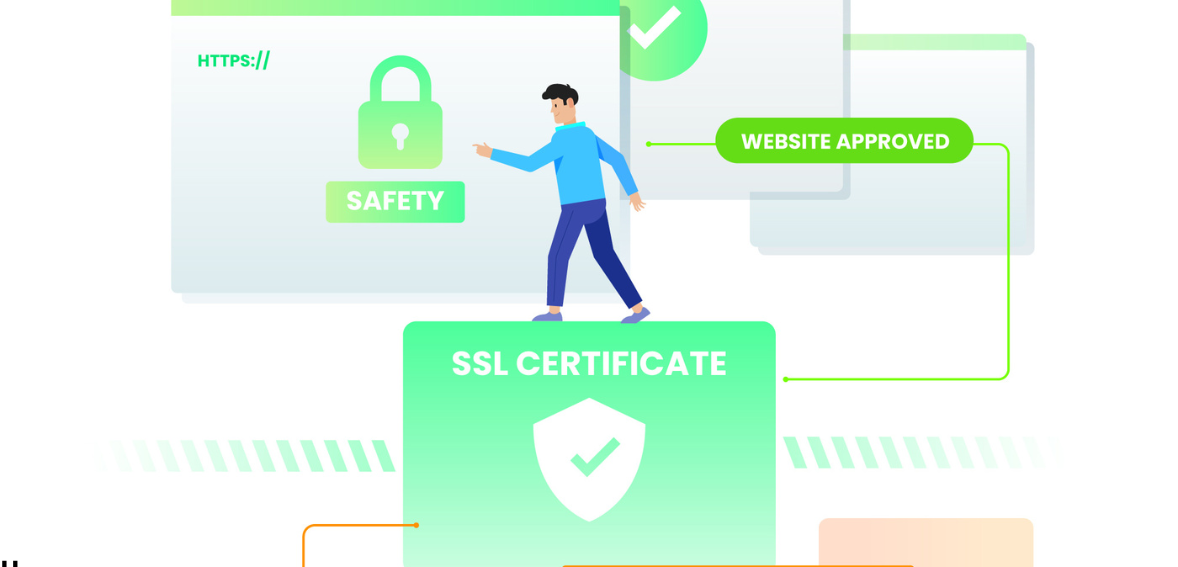
An SSL certificate is a digital file used to secure the connection between a website and a visitor’s browser. If a website uses HTTPS, it indicates that the site has an SSL certificate to secure the data being exchanged during the browsing session. This security is crucial for safeguarding sensitive information like passwords, personal data, and credit card details. Besides, the certificate also plays a role in verifying the legitimacy of the website, thereby avoiding unsafe or counterfeit websites.
When a user accesses a secure website, the browser asks the server for the SSL certificate and verifies its details. Upon confirmation of the certificate, a secure connection is established through encryption, thus making it difficult for others to take advantage of the communication.
An SSL certificate has information such as the domain name, the certificate holder, the certificate issuer, dates of issue, expiry, and the public encryption key. It is paired with a private key that remains on the server to ensure that the communication through the internet is secure and trustworthy for the users.
How Does a Website Obtain an SSL Certificate?
A website receives an SSL certificate from a trusted organization called a Certificate Authority (CA). Before issuing a certificate, the CA verifies that the website and its domain actually exist. After verification, the CA makes an SSL certificate and digitally signs it so that browsers and devices can trust it. Many certificate authorities charge a fee for this service, although some also offer free certificates.
The website’s server is the location where the certificate must be installed after it has been issued. The web hosting provider or the server management panel usually runs this step. After the certificate is installed and the site is activated, the website can be served over HTTPS rather than HTTP. From that moment on, any data transferred between the website and its visitors will be encrypted. So users can now enjoy secure and protected browsing, logging in, or performing transactions on the site.
Let’s Encrypt SSL vs Wildcard SSL: Which Is Better?
When it comes to free SSL certificates, Let’s Encrypt is probably the first certificate authority to be mentioned by most people. It is a free and automated certificate authority that was created with the main objective of making the web a safer place for all of us. The idea behind it is that they want to help website owners get HTTPS easily so that users can browse safely and their data stays safe.
The availability of such certificates definitely solves the problem of the affordability of SSL certification, but at the same time, they may not give the same level of support or service as some businesses might expect from their SSL providers.
This is the reason why most website owners, in addition to free SSL certificates, also buy SSL certificate which are paid. However, Let’s Encrypt offers not only wildcard SSL certificates but a whole range of other free certificates. But at the same time, there are numerous paid wildcard SSL certificates that are priced quite fairly.
You can find them from trusted security companies that have been around for years. Some of the top names in the industry are RapidSSL, GeoTrust, and Comodo CA. These providers have been facilitating websites in securing their connections and protecting the data of their users for many years.
Why Do Many Businesses Prefer Paid Certificates?
Free SSL certificates can be a great lure, particularly for websites in their starting looking to cut costs. Yet, free alternatives usually have a handful of downsides that the owners should be aware of prior to opting for them. For instance, although certificates issued by Let’s Encrypt are very popular, they may not always offer the same level of customer service or security as paid wildcard SSL.
One significant downside is the absence of customer support. In the case of most free SSL certificates, obtaining direct assistance is not an option when you run into problems during the installation, renewal, or configuration phases. Thus, website owners are often on their own to resolve the issues. This can be the case not only when they are unfamiliar with server management or security settings, but also generally when they have limited technical knowledge.
One more issue is the lack of liability protection. Going for paid SSL certificates might give you the option of a warranty that can help you financially if a problem arises due to a certificate authority issue. Free SSL certificates come with such a provision, and thus, no compensation is available if a security problem arises.
Besides, free SSL certificates are vulnerable to hackers. Since free SSL certificates are so easy to get, some attackers put up fake websites with SSL enabled to make them appear trustworthy. These fake sites may try to get visitors’ personal details through phishing scams.
Furthermore, the majority of free SSL certificates are only for basic domain validation, or DV for short. This validation method only ensures that the one requesting the certificate has control over the domain. It does not verify the business or organization behind the website. Therefore, visitors may not always feel 100% sure about who is running the site, which can impact trust and even cause customers to be lost.
How Extended Validation Helps a Website
Extended Validation (EV) SSL certificates are one of the ways through which websites can ensure that their visitors trust them and feel secure. EV certificates are a step higher in terms of security as they are issued only after a very strict verification process is completed. The certificate authority thoroughly verifies that the business is registered, and the details of the legal identity and domain ownership are checked. As a result of this check, visitors can rest assured that the website is genuinely under the control of a legitimate entity.
Probably the biggest advantage of an EV SSL is the boost in the user’s confidence. When users realize that a website has been subjected to a detailed validation process, they become more willing to disclose their information, set up accounts, or make transactions. This is very crucial for websites selling products online, banking platforms, and any other services that deal with the exchange of sensitive data.
EV certificates also enhance brand credibility. They communicate that the website owner is serious about security and has gone through the long process of proper verification. It can be a great way for businesses to differentiate themselves from websites that only have basic domain validation certificates.
Moreover, it provides a higher level of security against phishing and counterfeit sites. As EV certificates mandate that the business details are verified, the attackers will find it very difficult to pose as a legitimate company.
In general, Extended Validation (EV) is a great way for websites to build trust, keep their users safe, and give a more professional and secure online image.
Why Businesses Use an EV + Renewal Automation Strategy
Going this way, companies can firm up their website security by using a combination of EV (Extended Validation) and renewal automation strategies without service interruptions. The SSL certificates are only valid for a specific period, after which they need to be renewed. In case a certificate is not renewed on time, the website might display security warnings or even stop working securely. This could be damaging to a brand’s image, and visitors may leave the site.
Automate SSL renewal is a good way to get renewal on time. The automated tools keep track of certificate expiration and will renew it in advance. When companies go for EV certificates together with automated renewal, they can be sure of the continuous safety of their websites, keeping up the trust of their customers, and not having to face downtime or security alerts that may interfere with their business or sales operations.
What’s the Difference Between DV, OV, and EV SSL Certificates?
DV, OV, and EV SSL certificates basically differ in how many verifications are done before the certificate is issued. These checks allow the website owner’s identity to be confirmed and trust to be built for visitors.
Firstly, Domain Validated (DV) certificates are the simplest type. They only confirm that the entity requesting the certificate has control over the domain name. The procedure is generally fast and automated, which is the main reason why DV certificates are mostly used for the websites of individuals, blogs, or other small projects that require encryption.
Secondly, Organization Validated (OV) certificates are one step up in terms of verification. Here, the certificate authority not only verifies the ownership of the domain, but also goes a step further in verifying the business or organization running the website. This could be achieved by checking the company name, status, and contact details, and ensuring that the organization is legitimate.
Thirdly, Extended Validation (EV) certificates offer the highest level of verification. They include all the checks that are done for DV and OV, but also extend to deeper examinations such as verifying the company’s legal registration, location, and current operation. Due to such a strict process, EV certificates are typically associated with businesses, financial services, and large websites that have a strong focus on building trust with their users.
Conclusion
Choosing the most suitable SSL certificate for your site is determined by your site’s requirements, security levels, and future objectives. Free alternatives such as Let’s Encrypt are great for simple sites, but a company that decides to have stronger trust, wider protection, and dependable management will normally go for paid wildcard or EV certificates with renewal automation.
This solution is a great way to have constant security, not run into certificate expiration problems, and have your customers always enjoy a safe and trustworthy website.
FAQs
What is a Secure Socket Layer Certificate?
An SSL certificate secures the line of communication between a website and its users by encrypting the data, thus guarding sensitive information and enhancing trust and security in the online environment.
Are free SSL certificates secure to be used?
Free certificates, such as those provided by Let’s Encrypt, offer encryption; however, they might not have advanced validation, warranty protection, and dedicated support.
How do I install Let’s Encrypt certificates?
You can easily deploy free certificates by running Certbot install on your server, following guided setup instructions.
Are there limits to issuing Let’s Encrypt certificates?
Yes, Let’s Encrypt rate limits restrict the number of certificates you can request per domain in a given period.
How can I control which CAs can issue SSL for my domain?
By setting a CAA record SSL, you specify authorized certificate authorities, preventing unauthorized certificate issuance.