
RAID 1, RAID 10, or Single SSD? Choosing Storage for Business Hosting
When choosing a business hosting infrastructure, storage configuration is one of the most critical decisions. The performance, uptime, security, and long-term scalability of a server environment all depend heavily on the storage architecture behind it. Whether running an eCommerce platform, a business application, a database-heavy website, or a high-traffic corporate portal, choosing between RAID 1, RAID 10, or a Single SSD can directly impact operational reliability and customer experience.
There is much more to consider than storage space when selecting a modern RAID hosting server. Hosting providers must analyze server performance under heavy workloads, fault tolerance, recovery time after failures, hosting security costs, and future scalability. This is especially important for SSD-hosted servers. SSD technology has significantly raised expectations for server performance, but the debate between RAID and SSDs continues because redundancy and uptime remain essential in mission-critical hosting environments. RAID 1, RAID 10, and Single SSD hosting solutions each offer unique benefits depending on workload requirements, risk tolerance, and budget limitations.
Understanding RAID and Why It Matters in Business Hosting
RAID stands for Redundant Array of Independent Disks. It is a storage technology that combines multiple disks into a single system to improve performance, redundancy, or both. In hosting environments, RAID is widely used to minimize downtime and protect data from hardware failures. Compared to single-drive setups, RAID configurations provide much greater reliability for business websites and applications that cannot afford interruptions.
A RAID hosting server is especially valuable for organizations handling customer data, financial transactions, or real-time services. In traditional storage setups, the failure of a single drive can render the entire server inaccessible until repairs and data recovery are completed. RAID reduces this risk by distributing, mirroring, or striping data across multiple drives, allowing the server to continue operating even if one drive fails.
Different RAID levels serve different purposes. Some prioritize performance, while others prioritize redundancy and fault tolerance. Understanding the distinction between RAID 1 and RAID 10 is therefore essential when selecting the right hosting solution.
Single SSD Hosting: Simplicity and Speed at a Lower Cost
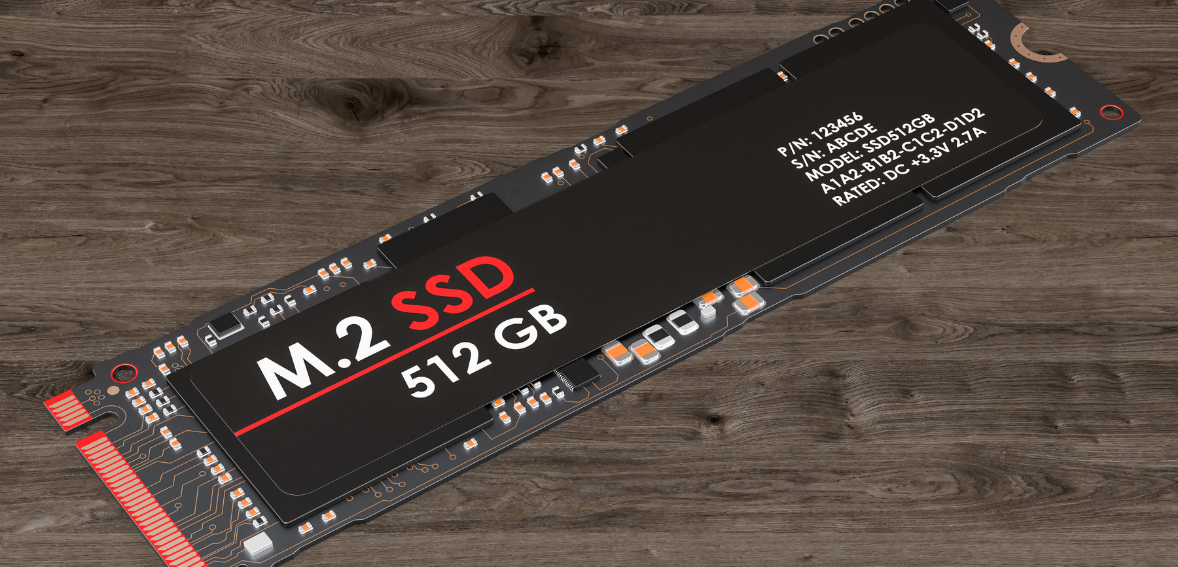
Single SSD hosting remains popular because SSDs are significantly faster than traditional HDDs. Modern NVMe SSDs provide excellent read and write speeds, low latency, and responsive performance for websites and applications. For startups, low-traffic websites, development servers, or temporary hosting environments, a Single SSD setup can deliver adequate performance without the added expense of RAID infrastructure.
One of the main advantages of Single SSD hosting is its simplicity. A single-drive environment reduces hardware costs and simplifies server management. Many businesses choose this option to save money while still benefiting from the speed advantages of SSD technology.
However, the major drawback is the absence of redundancy. If the SSD fails, businesses may face downtime and possible data loss unless backups are properly maintained. Although SSDs are more reliable than older storage technologies, hardware failures can still occur. For businesses that depend on uninterrupted customer transactions, relying solely on a Single SSD introduces significant operational risk.
Single SSD setups are best suited for lightweight projects, testing environments, staging servers, or businesses with robust off-site backup systems to minimize downtime in the event of failure.
RAID 1 Hosting: Reliable Data Mirroring for Business Stability
RAID 1 is one of the most widely used storage configurations in business hosting because it emphasizes redundancy and reliability. In a RAID 1 setup, data is mirrored identically across two drives. Every piece of information written to one drive is simultaneously written to the second drive. If one drive fails, the server continues to function on the remaining drive without interruption.
For businesses seeking a balance between uptime, affordability, and simplicity, RAID 1 provides an effective solution. It is particularly suitable for small businesses, legal firms, healthcare services, and organizations where data reliability is more important than maximum performance.
Another advantage of RAID 1 is fast recovery. When a failed drive is replaced, the mirrored data can be rebuilt quickly without major disruption. Compared to more advanced RAID configurations, RAID 1 is easier to manage and maintain.
The main limitation of RAID 1 is reduced usable storage capacity. Because data is mirrored, only half of the total storage space is available. For example, two 1TB drives in RAID 1 provide only 1TB of usable storage. RAID 1 also does not significantly improve write performance because data must be written to both drives simultaneously. Despite these drawbacks, RAID 1 remains a dependable option for businesses prioritizing redundancy and stability.
RAID 10 Hosting: Enterprise-Level Performance and Redundancy
RAID 10 combines the advantages of RAID 1 and RAID 0 by delivering both high performance and strong redundancy. This configuration requires at least four drives and uses a combination of striping and mirroring. Data is mirrored for protection while simultaneously striped across multiple disks to enhance speed.
In environments where both performance and uptime are critical, RAID 10 is often considered the ideal solution. High-traffic websites, enterprise applications, virtualization platforms, large databases, and resource-intensive workloads benefit significantly from RAID 10 because it can process simultaneous read and write operations much more efficiently than RAID 1.
RAID 10 delivers major performance improvements during heavy transactional activity. Online retail stores, SaaS platforms, and websites serving large files all benefit from the faster I/O operations provided by RAID 10. This makes it especially valuable for businesses expecting growth or traffic spikes.
RAID 10 also offers excellent fault tolerance. Since drives are mirrored, the server can continue operating even if certain drives fail. This ensures higher application availability and reduces operational disruptions caused by hardware failures.
The primary disadvantage of RAID 10 is cost. It requires more drives and more advanced infrastructure, and businesses also lose around 50% of the total storage capacity due to mirroring. Despite the higher investment, businesses that prioritize performance and stability often consider RAID 10 worth the expense because it offers the best balance between speed, fault tolerance, and uptime.
Performance Comparison Between RAID 1, RAID 10, and Single SSD
The performance differences between these hosting options become more noticeable under real-world workloads. A Single SSD can provide excellent performance for smaller websites and applications because SSDs are inherently very fast. Under light or moderate traffic conditions, performance limitations may not be immediately apparent.
RAID 1 provides some improvement in read speeds because data can be read from either mirrored drive. However, write performance remains similar to that of a Single SSD. The primary advantage of RAID 1 lies in redundancy rather than speed.
RAID 10, on the other hand, is designed for demanding workloads. Distributing data across multiple drives enables simultaneous operations, greatly improving performance. Database management, virtualization, and high-transaction environments benefit significantly from RAID 10 architecture. Businesses anticipating growth or heavy traffic often choose RAID 10 to ensure consistent availability and fast performance.
Ultimately, the best choice depends on workload requirements. Small informational websites may function well on a Single SSD, while enterprise-level eCommerce platforms may require RAID 10 to maintain reliability and performance during peak traffic periods.
Data Protection and Downtime Considerations
Data availability is one of the most important factors influencing hosting storage decisions. Even brief periods of downtime can harm customer trust, disrupt sales, and undermine search engine rankings.
Single SSD hosting carries the greatest risk because it lacks redundancy. If the drive fails unexpectedly, recovery depends entirely on backups, which may result in extended downtime and potential data loss.
RAID 1 offers improved protection through mirrored drives. If one SSD fails, the system continues operating without service interruption, and the failed drive can be replaced while the server remains online.
RAID 10 enhances fault tolerance further by using multiple mirrored sets. Depending on which drives fail, the system can continue operating without disruption, making it highly reliable for mission-critical environments.
However, RAID is not a replacement for backups. While RAID protects against hardware failure, it cannot prevent data loss caused by accidental deletion, malware, corruption, or catastrophic events. Businesses should always maintain separate backup solutions.
SEO and Website Performance Implications

SEO performance depends heavily on website speed and uptime. Search engines such as Google consider page loading speed and reliability when determining rankings. Poor performance or frequent downtime can reduce search visibility, increase bounce rates, and lower sales.
RAID 10 improves consistency during traffic spikes, helping businesses maintain stable performance and a better user experience. RAID 1 also provides stable uptime during hardware failures, helping prevent disruptions that could negatively affect website indexing and SEO performance.
Organizations such as IBM and Red Hat provide extensive documentation and consulting resources on storage reliability and infrastructure management. Cloudflare also offers educational resources related to website uptime and performance optimization.
Which RAID Configuration Is Best for Your Business?
The ideal storage configuration depends on business goals, workload demands, and budget limitations. Businesses with limited budgets and lower hosting risks may find Single SSD hosting sufficient, especially when combined with reliable backup systems. Internal applications, development servers, and small informational websites can often operate effectively in this environment.
RAID 1 is suitable for businesses requiring high reliability, stable uptime, and affordable infrastructure costs. It works well for professional websites, online businesses, and organizations focused primarily on data protection.
RAID 10 is the preferred solution for businesses where downtime, slow performance, or storage-related issues could directly impact revenue and operations. Enterprise applications, high-traffic eCommerce websites, and large mission-critical databases are common examples in which RAID 10 is necessary.
Businesses should plan not only for current traffic levels but also for future growth. Choosing an insufficient storage architecture may lead to costly upgrades, service interruptions, and infrastructure redesigns later.
Conclusion
Choosing between RAID 1, RAID 10, and Single SSD hosting ultimately involves balancing cost, reliability, and performance. Single SSD hosting offers affordability and simplicity but lacks the redundancy required for mission-critical applications. RAID 1 delivers dependable data protection and stable uptime at a moderate cost, making it ideal for businesses prioritizing reliability. RAID 10 provides the highest level of performance and fault tolerance, making it the best choice for demanding hosting environments where speed and availability are essential.
A properly configured RAID hosting server can significantly improve operational stability, customer experience, and long-term business continuity. Instead of focusing only on upfront costs, businesses should also consider the financial impact of downtime, data loss, and poor website performance when selecting their storage architecture. Investing in the right hosting solution today can help avoid major operational challenges in the future.
Frequently Asked Questions
Is RAID 10 faster than RAID 1?
Yes, RAID 10 is generally much faster than RAID 1 because it combines striping and mirroring. This allows data to be distributed across multiple drives while still maintaining redundancy, resulting in significantly better read and write performance.
Can a Single SSD be reliable for business hosting?
A Single SSD can be reliable for smaller websites or low-risk hosting environments, but it does not provide redundancy. If the drive fails, the server may experience downtime and potential data loss unless proper backups are available.
Does RAID replace the need for backups?
No, RAID does not replace backups. RAID protects against hardware failure, but it cannot protect against accidental deletions, malware infections, data corruption, or catastrophic server events. Businesses should always maintain external backups.
Which RAID setup is best for eCommerce websites?
RAID 10 is usually the best option for eCommerce websites because it offers high performance, strong redundancy, and better handling of heavy transactional workloads and traffic spikes.